For When You’re Ready

to Heal Differently
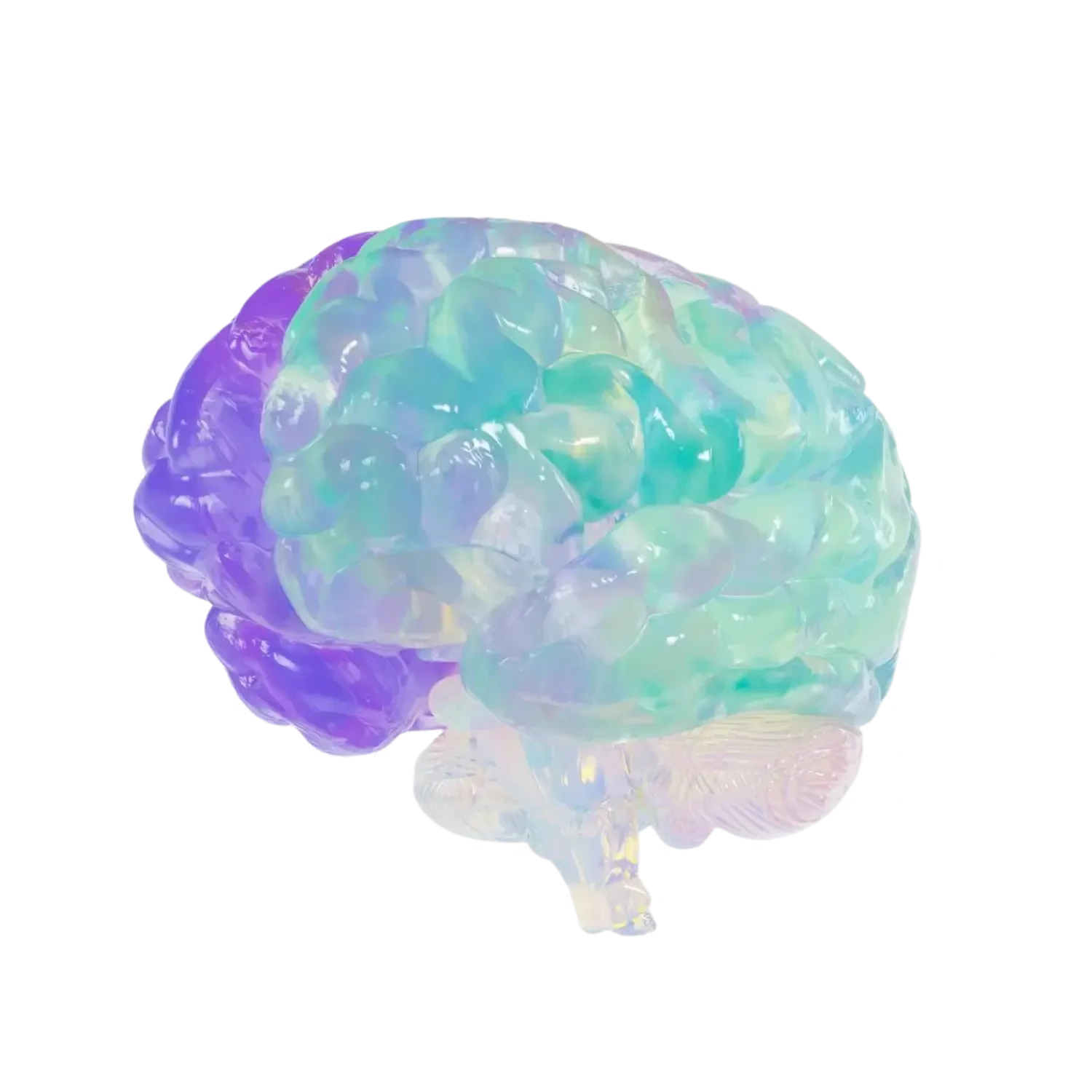
Illustrated brain highlighting biological changes of ketamine-assisted psychotherapy

How it works

in the brain

Ketamine-Assisted Psychotherapy, or KAP, works by creating a temporary shift in the brain’s usual patterns of thought, perception, and emotional response. Ketamine interacts with the brain’s glutamate system, which plays an important role in learning, memory, and neuroplasticity — the brain’s ability to form new connections. During a KAP session, this can help soften rigid thought loops, reduce emotional defensiveness, and create space for new insights to emerge.

In this altered yet supported state, people may be able to approach difficult memories, emotions, or beliefs with greater distance, compassion, and curiosity. The psychotherapy portion helps make meaning of the experience and integrate those insights into daily life. Rather than simply changing how someone feels in the moment, KAP aims to support the brain and mind in practicing new pathways toward healing, resilience, and self-understanding.

"I have done lots of traditional therapy over the past 30 years and nothing has been this effective in integrating my subconscious and conscious mind."


Mind mandala

Mind

Body mandala

Body

Spirit mandala

Spirit

Psychologically, Ketamine-Assisted Psychotherapy can create a gentle opening between the everyday self and the deeper layers of the mind. In this expanded state of awareness, familiar defenses, stories, and patterns may soften, allowing a person to witness their inner world from a new perspective. Rather than being fully identified with pain, fear, or old narratives, there can be more space to observe them with compassion, curiosity, and a sense of possibility.

On a more metaphysical level, KAP may feel like an invitation to reconnect with the parts of the self that exist beneath conditioning — the intuitive, symbolic, emotional, and spiritual dimensions of healing. Images, memories, sensations, or insights may arise as the psyche begins to reorganize and reveal what is ready to be seen. The therapeutic process helps translate these experiences into meaning, integration, and embodied change, supporting a deeper return to wholeness.

“Dylan was smart, gentle, and caring throughout the various stages of ketamine treatment. He listened to my issues and facilitated meaningful spiritual and therapeutic work to treat my long term, treatment-resistant depression.”

Want to learn more?